Community
How data brokers collect and sell your personal information
By David Robinson
Advertisement · Why this ad?
David graduated from Franklin & Marshall College and has been a community journalist for over 8 years, previously working at the Lancaster Examiner. He focuses on the heart of Lancaster, covering local events, festivals, and community initiatives.
More from David →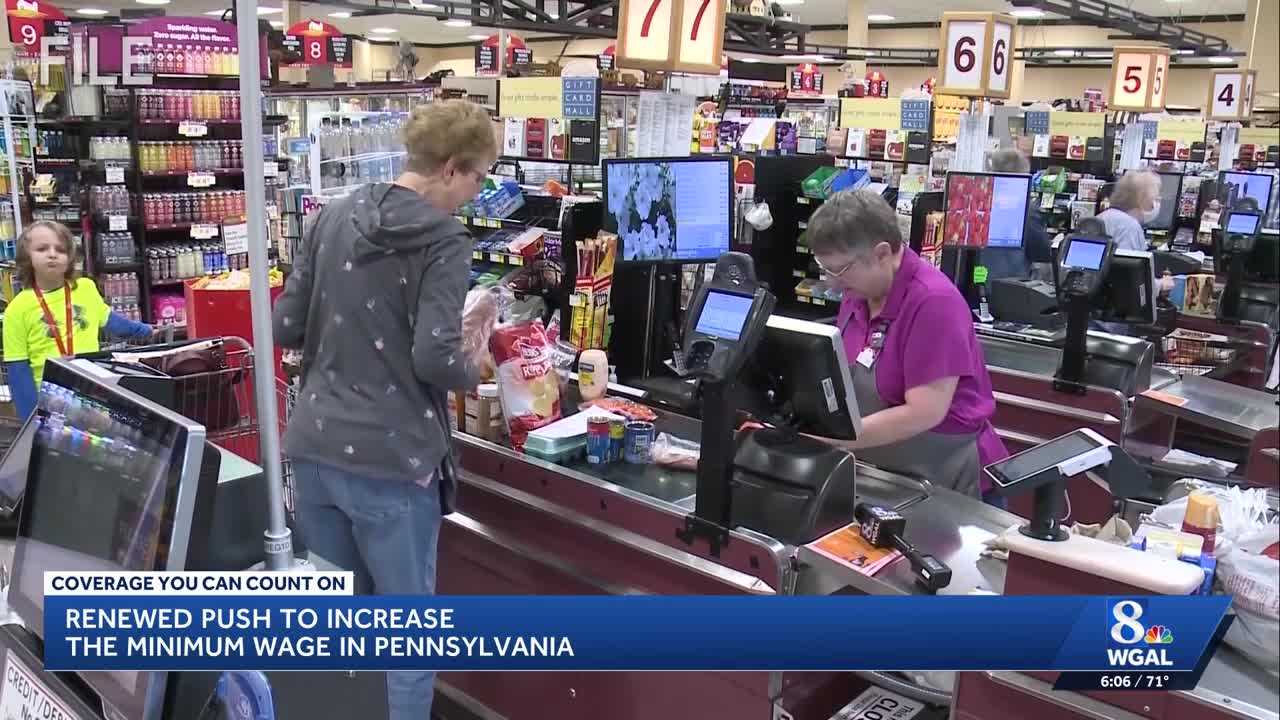
On a brisk November evening in Lancaster, a small crowd gathered at a local community hall, their faces lit with hope and concern. Among them was Maria Lopez, a single mother working two jobs to make ends meet. She clutched her coffee cup tightly, listening intently as local leaders discussed a potential change that could reshape her family's future. The conversation centered on Pennsylvania Democrats’ renewed push to raise the state’s minimum wage to $15 by 2027—a move that could bring much-needed relief to thousands like Maria across Lancaster County and beyond.
After years of stagnation, Pennsylvania’s minimum wage has remained at a meager $7.25 since 2009, well below the national average and the living costs that have steadily climbed. Democratic lawmakers are now preparing to introduce legislation in 2027 that aims to increase this figure to $15 an hour. State Senator Art Haywood, a key advocate for the effort, explained that this would be the fourth attempt to pass such legislation, signaling a persistent desire to address economic disparities.
Haywood emphasized that rising costs for essentials like gas, groceries, and housing have made it increasingly difficult for low-wage workers to survive. “Prices are going up, up, up. Gas, food, all of the above,” he said, highlighting the urgent need for change. Many workers, he pointed out, are earning far below the proposed new minimum, with some stuck at $10, $12, or $13 an hour, unable to keep pace with inflation or plan for their families’ futures.
In the broader context, this push reflects a national conversation about economic inequality and the living wage. Pennsylvania, like many other states, has faced criticism for not updating its minimum wage in over a decade, especially as the cost of living has surged in urban centers like Philadelphia, Pittsburgh, and even smaller cities like Lancaster. The state’s economic landscape is diverse, with rural communities often feeling the pinch of stagnant wages more acutely, and urban areas grappling with affordability crises.
The potential increase in wages has sparked a wide range of reactions within Lancaster’s tight-knit community. Heather Valudes, CEO of the Lancaster Chamber of Commerce, expressed cautious optimism. “We’re trying to understand what the true impact is to our business community, and then what we need to advocate for on their behalf as they try to negotiate the issue,” she said. Her comments reflect a common concern among local entrepreneurs who worry about how higher wages might affect their bottom line while recognizing the importance of supporting their employees.
For many residents, the prospect of a $15 minimum wage offers a glimmer of hope. Maria Lopez shared her thoughts, saying, “It would mean I don’t have to work so many hours just to pay rent and feed my kids. It’s about time we get paid what we deserve.” Her story is just one of countless others across Lancaster where families struggle to make ends meet, especially in a city known for its resilient, hardworking people committed to building better lives.
Local organizations like the Lancaster County Community Action Partnership have long advocated for fair wages, emphasizing that economic stability is crucial for community health. Executive Director Lisa Martinez explained that many families in Lancaster are living paycheck to paycheck, with little room for emergencies or savings. “Raising the minimum wage isn’t just about individual workers; it’s about strengthening the entire community,” she said. “When people earn enough to cover basic needs, they can contribute more fully to local businesses, schools, and civic life.”
The effort to increase Pennsylvania’s minimum wage is part of a larger national movement advocating for economic justice. Over the past decade, several states and cities have implemented higher minimum wages, with many reaching or surpassing $15 an hour. Cities like Philadelphia and Pittsburgh have already taken steps to phase in higher wages, recognizing that economic growth must be inclusive.
Historically, Pennsylvania has lagged behind these trends, partly due to political gridlock and opposition from business interests. However, recent shifts in the political landscape, including gains by Democrats in state legislative races, have created a more favorable environment for these reforms. The upcoming legislative session is seen as a critical window where advocates hope to finally secure meaningful change.
On a community level, the push for higher wages resonates with many residents who have seen their purchasing power diminish over the years. For workers in Lancaster—many of whom are employed in manufacturing, retail, healthcare, and hospitality—the promise of a $15 minimum wage is a symbol of hope for a fairer economic future.
Among those voicing support is James Carter, a 45-year-old retail worker who has been with the same company for over a decade. “I’ve seen prices go up, but my paycheck hasn’t,” he said. “If I could make $15 an hour, I could finally start saving for my kids’ college fund or fix my car without stressing so much.” Carter’s story underscores the real-life implications of wage stagnation and why this legislative push matters to everyday Americans.
On the opposition side, some small business owners worry about the immediate financial impact. Mark Stevens, owner of a local hardware store, expressed concern about increased labor costs. “We’re already operating on thin margins,” he said. “A sudden jump to $15 could force some small businesses to cut hours or even close.” However, others argue that higher wages lead to increased consumer spending and lower turnover, which benefits businesses in the long run.
While the legislation is still in the proposal stage, the momentum is building. House Bill 2189, which addresses the minimum wage, has already cleared the House and now awaits action in the Senate. Lawmakers like Haywood plan to introduce a new bill during the upcoming legislative session, aiming to push this vital issue forward. The community’s voice will be crucial in shaping the final outcome, as residents and local leaders continue to advocate for policies that promote fairness and dignity for all workers.
Community forums, town halls, and grassroots campaigns are expected to intensify in the coming months. Local organizations like the Lancaster County Community Action Partnership and faith-based groups will likely play pivotal roles in mobilizing support and educating voters about the importance of living wages.
Furthermore, policymakers will need to consider the potential economic impacts, balancing the needs of workers with the realities faced by small businesses. Some experts suggest phased implementation or targeted support for small employers to ease the transition.
Looking ahead, the goal is clear: to create a Pennsylvania where hard work is rewarded with a living wage, and families can thrive without the constant worry of financial insecurity. For Maria Lopez and countless others, this movement signals a brighter, more equitable future—one built on the enduring values of perseverance, faith, and community.
As Lancaster and the state prepare for these legislative debates, the community remains hopeful. The collective effort to raise wages is more than just an economic policy—it’s a statement about the kind of society Lancaster aspires to be: fair, compassionate, and inclusive.
By David Robinson

By David Robinson
By David Robinson

By David Robinson