
Community
Buttered corn flan
By David Robinson
Advertisement · Why this ad?
David graduated from Franklin & Marshall College and has been a community journalist for over 8 years, previously working at the Lancaster Examiner. He focuses on the heart of Lancaster, covering local events, festivals, and community initiatives.
More from David →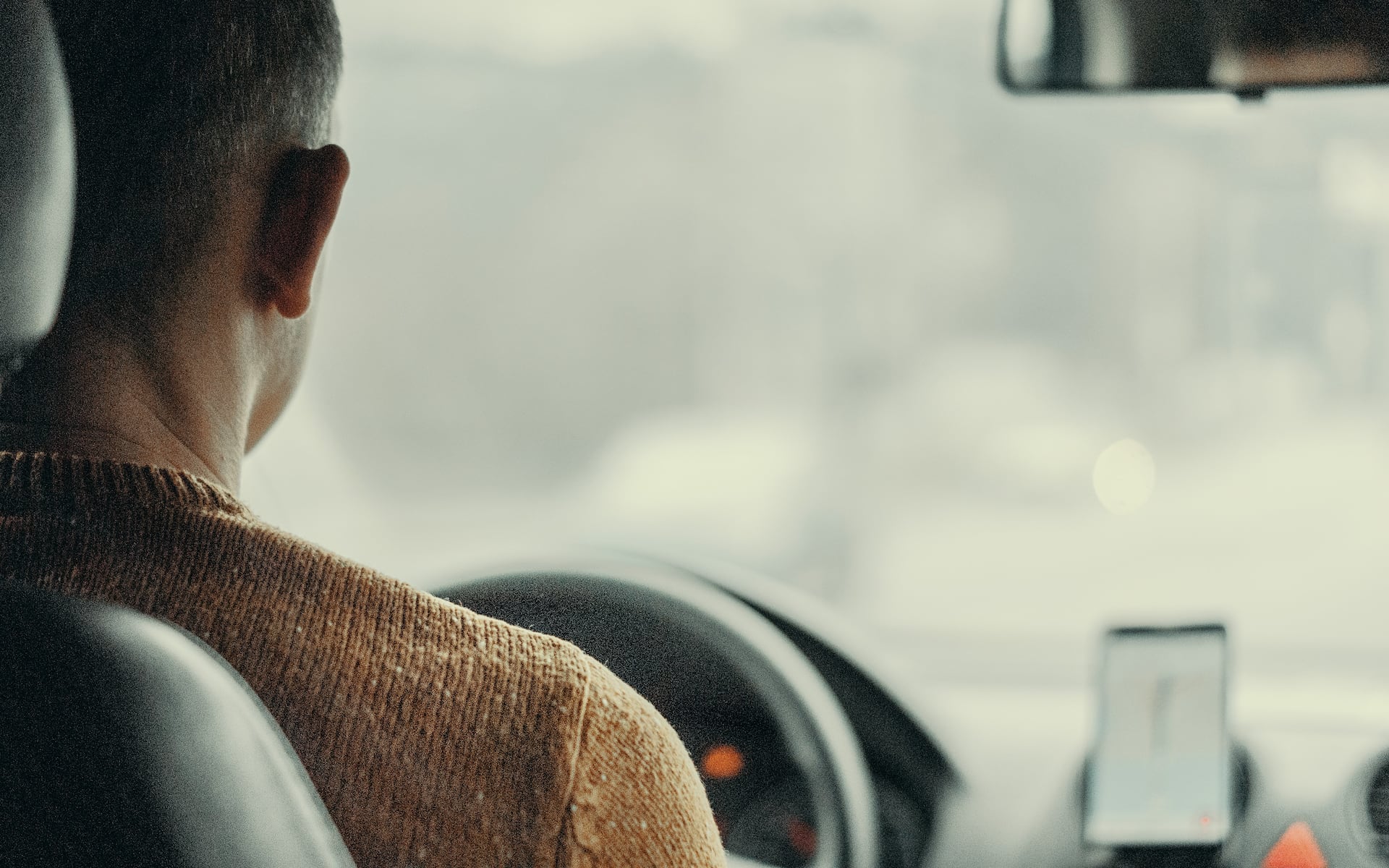
As the sun dipped below the horizon, casting a warm glow over Lancaster's bustling streets, Sarah Thompson stood outside her favorite coffee shop, scrolling through her Uber app. With plans to meet friends for dinner, she was hopeful for a quick ride. Yet, as she waited, a familiar sense of frustration washed over her. The app displayed a surge pricing alert, and the estimated wait time stretched longer than usual. Sarah, like many residents, is feeling the impact of a growing issue that could affect her pocketbook and the broader community: a driver shortage at Uber.
Uber has recently reported a significant shortage of drivers across the country, and Lancaster is no exception. The ride-sharing giant has struggled to meet demand as more people return to social activities post-pandemic. This shortage has led to rising fares and longer wait times, leaving many customers questioning the reliability of the service they once took for granted.
According to Uber's latest data, the number of active drivers in Lancaster has decreased by nearly 30% over the past year. This drop coincides with a surge in demand as the local economy rebounds, with events, festivals, and gatherings drawing residents and visitors alike. The company has been working to recruit new drivers, but the challenges of attracting and retaining talent in a competitive labor market remain daunting.
Local Uber driver, Mark Jenkins, shared his perspective: "I've been driving for Uber for over three years, but lately, it's been tough. The pay isn't what it used to be, and with rising gas prices, many potential drivers are hesitant to join. It's a challenging time for us all." Mark's sentiments echo the experiences of many in the gig economy, where fluctuating costs and uncertain earnings can deter new drivers from signing up.
The driver shortage is not just an inconvenience for riders like Sarah; it has broader implications for Lancaster's economy and social fabric. Local businesses that rely on ride-sharing services to attract customers are beginning to feel the pinch. Restaurants and entertainment venues that once thrived on the convenience of rideshare options are now seeing a decline in foot traffic.
Maria Gonzalez, owner of a popular downtown restaurant, expressed her concerns: "We used to see a lot of customers coming in from Uber rides, especially on weekends. Now, with longer wait times and higher fares, many people are choosing to stay home instead. It's affecting our bottom line and the local economy as a whole." Maria's experience highlights the ripple effects of the driver shortage, illustrating how interconnected our community is.
Moreover, the impact extends beyond just the dining sector. Local events, such as the Lancaster Arts Festival and First Friday events, which typically draw large crowds, are feeling the effects as well. Event organizers are worried that the inability to secure reliable transportation could deter attendees, ultimately impacting local artists and vendors who rely on these events for income.
As fares increase due to the driver shortage, families across Lancaster are feeling the financial strain. For many, the convenience of ride-sharing services has become a staple of family outings, especially for those with young children or elderly family members who may not drive. The added costs can make a simple trip to the grocery store or a visit to the park feel burdensome.
Tom and Lisa Reynolds, a couple with three young kids, shared their experience: "We used to rely on Uber for trips to the grocery store and family outings. Now, with the surge pricing, we find ourselves reconsidering every trip. It’s not just about convenience anymore; it’s about budgeting for our family." The Reynolds' story is a testament to how the driver shortage is reshaping the way families navigate their daily lives.
Additionally, many families are now exploring other options, such as carpooling with neighbors or relying more heavily on public transportation. However, not all families have equal access to these alternatives, particularly in areas of Lancaster that are less served by public transit routes.
In response to the challenges posed by the driver shortage, community leaders and local organizations are stepping up to support residents. The Lancaster Chamber of Commerce has launched initiatives aimed at encouraging local drivers to sign up for ride-sharing services. They are hosting informational sessions and providing resources to help potential drivers understand the benefits of joining the gig economy.
"We know that ride-sharing is an important part of our community's transportation network," said Chamber President, Jessica Harper. "By supporting local drivers and helping them navigate the process, we hope to alleviate some of the pressure on our residents and businesses." Jessica's efforts reflect a proactive approach to a growing issue, emphasizing the importance of community collaboration.
Moreover, local advocacy groups are working to raise awareness about the importance of supporting local businesses and the interconnectedness of the community. Initiatives like “Shop Local, Ride Local” are being promoted to encourage residents to support businesses that are adversely affected by the driver shortage.
As the situation unfolds, many residents are exploring alternatives to Uber. Carpooling, public transportation, and even biking have gained popularity among those seeking to avoid the rising costs associated with ride-sharing. Local advocacy groups are promoting these alternatives as viable solutions for families and individuals alike.
For instance, the Lancaster Public Transportation Authority has been working to improve bus routes and schedules to accommodate the needs of residents. Their efforts aim to provide a reliable and affordable transportation option for those who may be feeling the pinch of Uber's rising fares. "We want to ensure that everyone in Lancaster has access to safe and affordable transportation," said Executive Director, Brian Fields.
In addition, community organizations are organizing bike-sharing programs and community rides to foster a culture of shared transportation. These initiatives not only help alleviate the pressure on ride-sharing services but also promote a healthier lifestyle and reduce traffic congestion.
Looking ahead, the future of ride-sharing in Lancaster remains uncertain. While Uber is actively working to recruit more drivers, the challenges of the current labor market may continue to hinder their efforts. Community leaders are hopeful that local initiatives will inspire more residents to consider driving for Uber or exploring alternative transportation methods.
As Lancaster continues to grow and evolve, the importance of reliable transportation will remain a critical issue for families and businesses alike. Residents are urged to stay informed about local resources and support initiatives that promote community-driven solutions.
In the meantime, Sarah and others like her are left to navigate the complexities of transportation in a changing landscape. With each passing day, the hope is that Lancaster can unite in finding solutions that not only address the immediate concerns of ride-sharing but also strengthen the bonds of community.
Ultimately, the challenge presented by the Uber driver shortage serves as a reminder of the importance of resilience and adaptability in the face of adversity. By coming together, the people of Lancaster can ensure that their community remains vibrant and accessible for everyone.


