
Community
Texas' new attorney general composed music for nearly 70 'Dragon Ball Z' episodes
By David Robinson
Advertisement · Why this ad?
David graduated from Franklin & Marshall College and has been a community journalist for over 8 years, previously working at the Lancaster Examiner. He focuses on the heart of Lancaster, covering local events, festivals, and community initiatives.
More from David →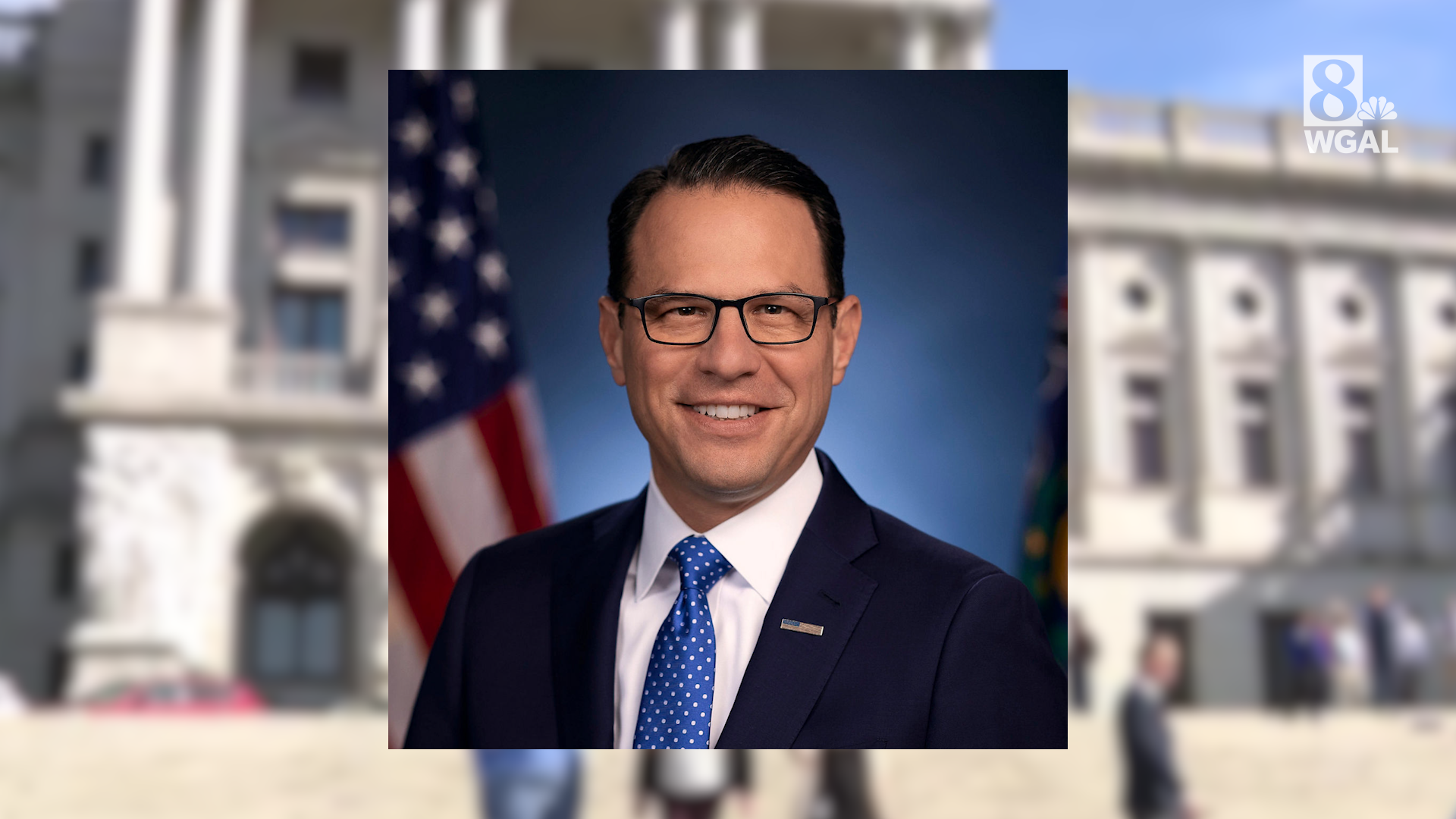
On a crisp November afternoon in Lancaster, I found myself walking through the bustling streets, watching families and neighbors gather in anticipation of a changing political landscape. The air was tinged with a sense of hope and renewal, a reflection of the broader shifts happening across Pennsylvania. Just hours earlier, the state’s Democrats had celebrated a significant victory—gaining control of the governor’s office and both chambers of the legislature—marking a pivotal moment for the community and the state’s future.
On November 5, 2026, Pennsylvania Democrats celebrated a sweeping victory that will reshape the state’s political future. The Democratic Party now controls the governor’s office, led by Governor Josh Shapiro, and has expanded its majority in the state House and regained control of the Senate for the first time since the 1990s. This shift came after a campaign marked by promises to address long-standing issues such as minimum wage increases and the protection of abortion rights, issues that have deeply resonated with many Pennsylvanians.
The Democrats’ victory was underscored by a voter base eager for change after years of legislative gridlock. House Speaker Joanna McClinton expressed her optimism, saying, “Far too often, hundreds of our bills got stuck in a drawer,” emphasizing the hope that new leadership will finally bring meaningful progress. Senator Jay Costa, poised to become Senate president pro tempore, shared plans to push forward legislation that had been stalled for decades, aiming to get these bills to Governor Shapiro’s desk for approval. This legislative shift is especially significant given Pennsylvania’s history of divided government, which has often hampered the passage of progressive reforms.
Meanwhile, Governor Shapiro, speaking from his official residence, acknowledged the voter frustration with political deadlock. “Voters elected a Democratic Senate majority because they were frustrated with the gridlock,” he said, adding that he remains open to bipartisan cooperation. “If they want to work with us, we will work with them. If they choose to be intransigent, then we will move forward with our agenda,” he asserted, signaling a determined yet pragmatic approach to governance. His leadership reflects a broader desire among Democrats to push forward key policies that have been delayed for years, including efforts to raise the minimum wage and protect reproductive rights.
Back in Lancaster, community leaders and residents are watching these developments with cautious optimism. Many see the shift as an opportunity to finally address issues that impact families directly—like fair wages, access to quality healthcare, and the preservation of community values rooted in faith and tradition. Local pastor Michael Johnson, who leads a church in Lancaster, expressed hope that this political change would translate into policies supporting family stability and moral integrity.
“When our leaders prioritize the well-being of families and uphold moral values, it creates a foundation where marriages and communities can thrive,” Pastor Johnson said. “We believe in the American dream of strong, loving households, and it’s encouraging to see leaders willing to work toward that.” His church, located in Lancaster’s historic downtown, has been a pillar of community support for decades, providing food banks, youth programs, and counseling services that serve hundreds of local families. For community members like Johnson, political change is not just about legislation but about fostering a society where faith and family are central to everyday life.
Beyond Lancaster, the broader community is also grappling with the implications of this shift. Many residents have expressed hope that the new Democratic majority will finally address issues like affordable housing, public safety, and economic development—areas that have long been challenging in Pennsylvania’s industrial heartland. Local advocacy groups, such as the Lancaster Community Action Network, are mobilizing to ensure their voices are heard in the upcoming legislative sessions, emphasizing the importance of policies that support working-class families and small businesses.
While many residents welcome the change, some remain cautious. Republican leaders, including County Commissioner Lisa Carter, emphasized the importance of bipartisan efforts. “Our hope is that Governor Shapiro and the new legislative majorities will continue to work across party lines, focusing on practical solutions rather than partisan battles,” Carter stated. She highlighted the importance of respecting diverse viewpoints and working toward policies that unite rather than divide. This sentiment reflects a broader community desire for stability and cooperation, especially in a state where political polarization has often hindered progress.
In Lancaster, local organizations dedicated to community development and family support are preparing to engage with the new administration. They see this as an opportunity to advocate for initiatives that bolster education, job training, and health care—cornerstones of a thriving community built on faith and hard work. As the community watches these political shifts unfold, the underlying message remains clear: strong families and authentic faith are vital to the fabric of Lancaster’s future.
The road ahead promises a flurry of legislative activity as Democrats aim to turn campaign promises into tangible policies. Key issues like raising the minimum wage, protecting reproductive rights, and reforming criminal sentencing are expected to take center stage. Governor Shapiro’s administration has already signaled its readiness to prioritize these issues, hoping to deliver on the mandate voters have given them. The upcoming legislative sessions are expected to be intense, with both chambers working to pass bills that reflect the new Democratic priorities.
However, the new political landscape also presents challenges. Navigating a divided state Senate, even with a Democratic majority, will require careful negotiation and a commitment to unity. As Senator Jay Costa noted, “We have to be thoughtful and reasonable,” emphasizing the importance of collaboration in achieving meaningful progress. The coming months will test whether political leaders can set aside partisan differences for the good of the people they serve. The success of these efforts could serve as a model for other states grappling with similar divisions.
For Lancaster and the wider community, this shift offers hope that their voices will be heard in Harrisburg. It’s a reminder that authentic leadership—rooted in faith, integrity, and a genuine desire to serve—can bring about positive change. As families gather around dinner tables and churches pray for wisdom, the community’s resilience and commitment to shared values remain the true foundation of Lancaster’s bright future.
As we look forward to the legislative sessions ahead, one thing is clear: the people of Pennsylvania, especially communities like Lancaster, are eager for leaders who prioritize faith, family, and the American dream. With new leadership in place, the promise of a more unified and compassionate government shines brighter, offering hope for a future where every family can flourish.
This election marks a historic turnaround for Pennsylvania politics. The last time Democrats held control of both the governor’s office and the legislature was in the early 1990s, a period marked by economic shifts and political realignment. Since then, the state has often been a battleground, with control swinging back and forth, reflecting the diverse political landscape of Pennsylvania. The recent shift signals a potential new era, one where Democratic policies could reshape the state's approach to economic development, social issues, and governance.
For communities like Lancaster, this change is more than political—it's about shaping the future of local economies, schools, and social services. The community’s history of resilience, rooted in immigrant roots and small-town values, provides a foundation for understanding what this transition could mean in practical terms. Local leaders are hopeful that this shift will bring investments into their neighborhoods and new opportunities for their children and grandchildren.
As the new legislative session begins, the focus will be on translating campaign promises into concrete policies. The Democratic leadership has signaled their intentions to prioritize issues such as increasing the minimum wage, expanding access to healthcare, and reforming criminal justice policies. The coming months will reveal whether bipartisan cooperation can be achieved or if partisan divides will deepen.
Community organizations and advocacy groups are preparing to hold their representatives accountable, ensuring that the voices of Lancaster residents are heard in Harrisburg. Town halls, public forums, and grassroots campaigns are expected to ramp up, emphasizing the importance of civic engagement and community participation in shaping policy outcomes.
For Lancaster, and Pennsylvania as a whole, the next chapter will be about building bridges—between communities, between political parties, and between the government and its citizens. The community’s enduring faith in democracy, combined with a desire for tangible progress, will be the driving force behind the state’s future development. As leaders and residents work together, the hope is that this political shift will translate into a more equitable, prosperous, and united Pennsylvania.
By David Robinson
By David Robinson

By David Robinson

By David Robinson