
Community
Texas' new attorney general composed music for nearly 70 'Dragon Ball Z' episodes
By David Robinson
Advertisement · Why this ad?
David graduated from Franklin & Marshall College and has been a community journalist for over 8 years, previously working at the Lancaster Examiner. He focuses on the heart of Lancaster, covering local events, festivals, and community initiatives.
More from David →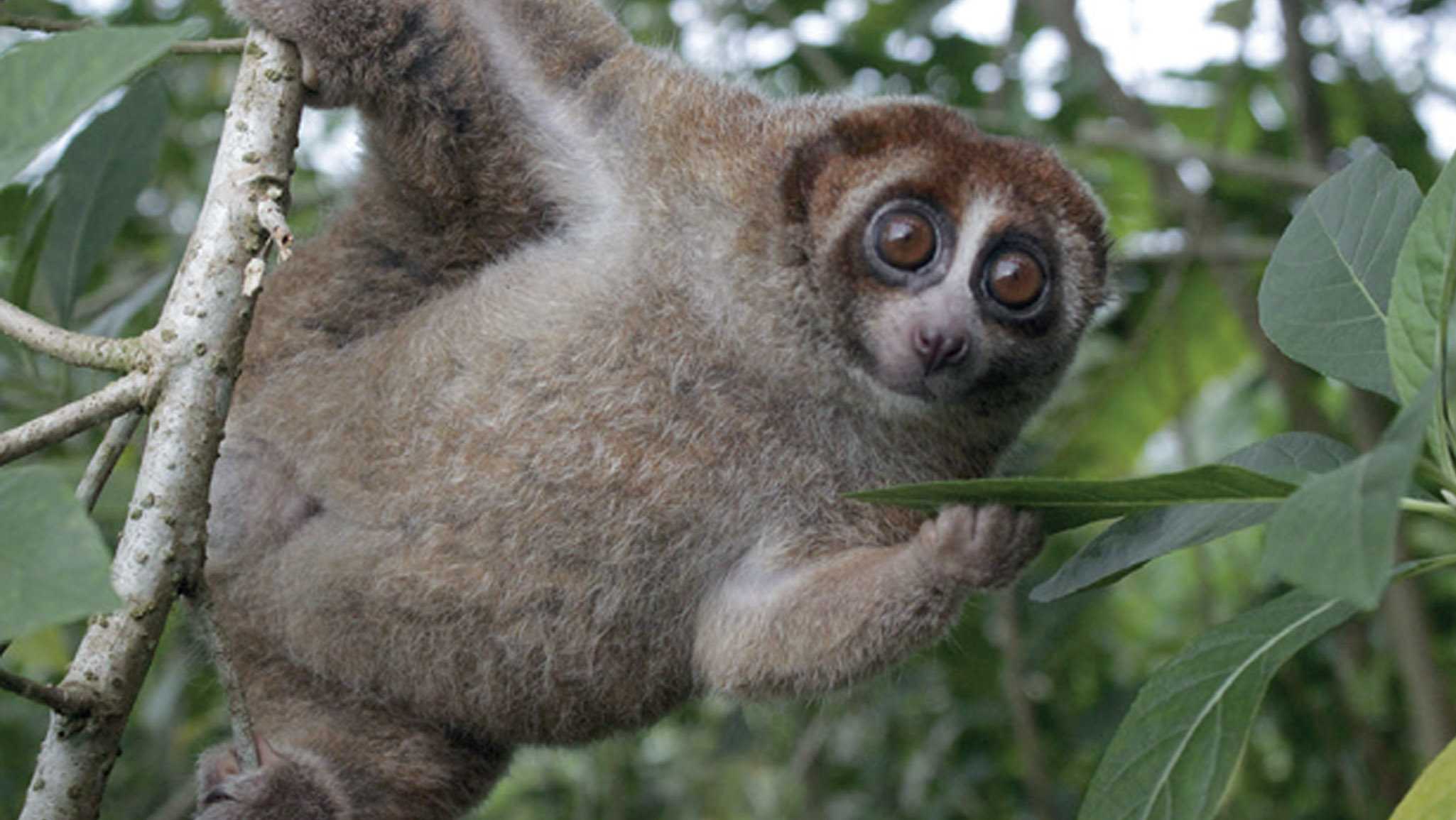
On a quiet morning in Lancaster, a local wildlife enthusiast named Sarah Miller paused her coffee to read the latest wildlife discovery that’s capturing global attention. Her heart skipped a beat when she saw the headline: “Once feared extinct, venomous primate found alive and well.” For many in Lancaster, this story feels like a reminder that even in our familiar communities, the wonders of God's creation still hold surprises—hidden, resilient, and vital.
Recent research has turned the scientific world upside down with the revelation that the Bangka slow loris, a small, venomous primate long believed to be extinct, is still living on Indonesia’s Bangka Island. The species was last officially recorded in 1937, according to the International Union for Conservation of Nature. However, new evidence from the Alobi Wildlife Rescue Center indicates otherwise. Since 2015, the center has rescued more than 90 of these elusive creatures, with 86 eventually released back into their natural habitat.
What’s striking is how often these lorises are found in human environments—rescue reports reveal that 16 of the animals rescued since 2021 were discovered in houses or gardens, six on roads, and seven with burns consistent with electric shocks. These findings underscore a startling truth: the lorises are not only surviving but are often hiding in plain sight, despite their critically endangered status.
The Bangka slow loris faces a dire future, with much of its forest habitat ravaged by tin mining, palm oil plantations, and expanding settlements. The new report emphasizes the urgent need for habitat protection and the establishment of a dedicated breeding program to ensure the species’ survival. These efforts are vital, especially considering the loris’s unique venomous defense mechanism, which involves a secretion from glands near its elbows mixed with saliva—a trait that makes it one of the few venomous primates in the world.
The discovery has sparked a wave of hope and renewed commitment among conservation groups and local communities alike. Lancaster residents, many of whom cherish the natural beauty of their surroundings, understand the importance of protecting vulnerable species. Local wildlife organizations are calling for increased awareness and habitat preservation efforts, emphasizing that every creature, no matter how small or seemingly insignificant, reflects God's intricate design.
“This discovery reminds us that God’s creation is resilient,” says Pastor Mark Hernandez of Lancaster Community Church. “It’s our responsibility to be good stewards of the land and the animals that inhabit it. Protecting these lorises isn’t just about saving a species; it’s about honoring the Creator’s handiwork.”
While the Bangka slow loris’s story unfolds across the globe, it resonates deeply in Lancaster—a community that values strong families, authentic faith, and a commitment to caring for the earth. The findings serve as a call to action, reminding us that conservation begins with awareness and community involvement. Local efforts to support habitat preservation and responsible land use directly contribute to the survival of such remarkable creatures.
Furthermore, the story highlights the importance of compassionate rescue and rehabilitation efforts. The Alobi Wildlife Rescue Center’s work exemplifies how dedicated individuals and organizations can make a tangible difference, echoing the biblical principle of stewardship. As Lancaster families gather around dinner tables, they can reflect on the importance of caring for God's creation—fostering a community rooted in faith, love, and responsibility.
Looking ahead, researchers and conservationists are urging a reassessment of the loris’s “possibly extinct” status. The new evidence suggests that with concerted efforts, the species can be preserved and perhaps even flourish. The next steps involve habitat monitoring, community education, and establishing breeding programs that respect the animal’s unique venomous nature.
Local residents and policymakers are encouraged to support these initiatives, recognizing that protecting the loris aligns with broader environmental and societal values—such as safeguarding God's creation for future generations. Lancaster’s ongoing commitment to family, faith, and community resilience provides a strong foundation for meaningful conservation action.
As we marvel at this tiny yet formidable primate, let it serve as a reminder that hope and renewal are possible even in the most unexpected places. The rediscovery of the Bangka slow loris is more than a scientific breakthrough; it’s a testament to the enduring wonder of life and the importance of caring for all of God's creatures.
While the discovery of the Bangka slow loris is centered on Indonesia, it profoundly resonates with Lancaster’s local community, which has a growing interest in environmental stewardship. Lancaster County, known for its picturesque farms, rolling hills, and vibrant local ecosystems, has increasingly become a hub for conservation-minded initiatives. From community-supported agriculture to local parks and nature preserves, Lancaster residents are actively engaged in protecting their natural surroundings.
Organizations like the Lancaster Conservancy and local chapters of national groups such as the Sierra Club have been working tirelessly to promote habitat preservation and environmental education. The story of the loris serves as a catalyst for these efforts, inspiring local citizens to consider how their land use decisions impact global biodiversity. It also encourages schools and churches to incorporate environmental stewardship into their curricula and community outreach programs.
For example, Lancaster’s annual Earth Day celebrations often feature speakers and activities focused on wildlife conservation and responsible land management. The story of the loris underscores the interconnectedness of all living beings and the responsibility we have to safeguard God's creation in our own backyards.
Among those leading the charge is Dr. Emily Carter, a biologist and Lancaster native who specializes in primate conservation. Dr. Carter has worked extensively with organizations in Southeast Asia and has been a vocal advocate for reevaluating species’ conservation statuses based on new evidence. Her work emphasizes that local communities can play a vital role in global conservation efforts, especially when they are informed and empowered.
Similarly, Reverend Lisa Nguyen of Lancaster’s First Presbyterian Church has integrated environmental stewardship into her faith-based outreach, emphasizing that caring for creation is a biblical mandate. Her church hosts community clean-up days, educational seminars, and prayer gatherings focused on environmental issues, fostering a sense of collective responsibility.
Looking forward, Lancaster’s community leaders, faith groups, and environmental organizations are exploring collaborative initiatives to support habitat preservation and wildlife rescue efforts. This includes educational campaigns, volunteer programs, and partnerships with local schools to teach children about biodiversity and conservation.
Furthermore, local policymakers are being encouraged to consider legislation that protects green spaces and restricts destructive land use practices. The story of the loris is a powerful reminder that even small actions—like planting native trees, reducing pesticide use, and supporting sustainable development—can have a ripple effect in preserving species both near and far.
In the coming months, community forums and town hall meetings will likely feature discussions on how Lancaster can contribute more actively to global conservation efforts, inspired by this remarkable discovery. It’s a chance for residents to reaffirm their commitment to caring for God's creation, ensuring that future generations inherit a vibrant, diverse environment.
As Lancaster continues to grow and develop, the story of the venomous primate that was once thought lost forever reminds us that hope, faith, and community action can bring about renewal—no matter how small the creature or how distant the place.
By David Robinson

By David Robinson
By David Robinson

By David Robinson