Arts
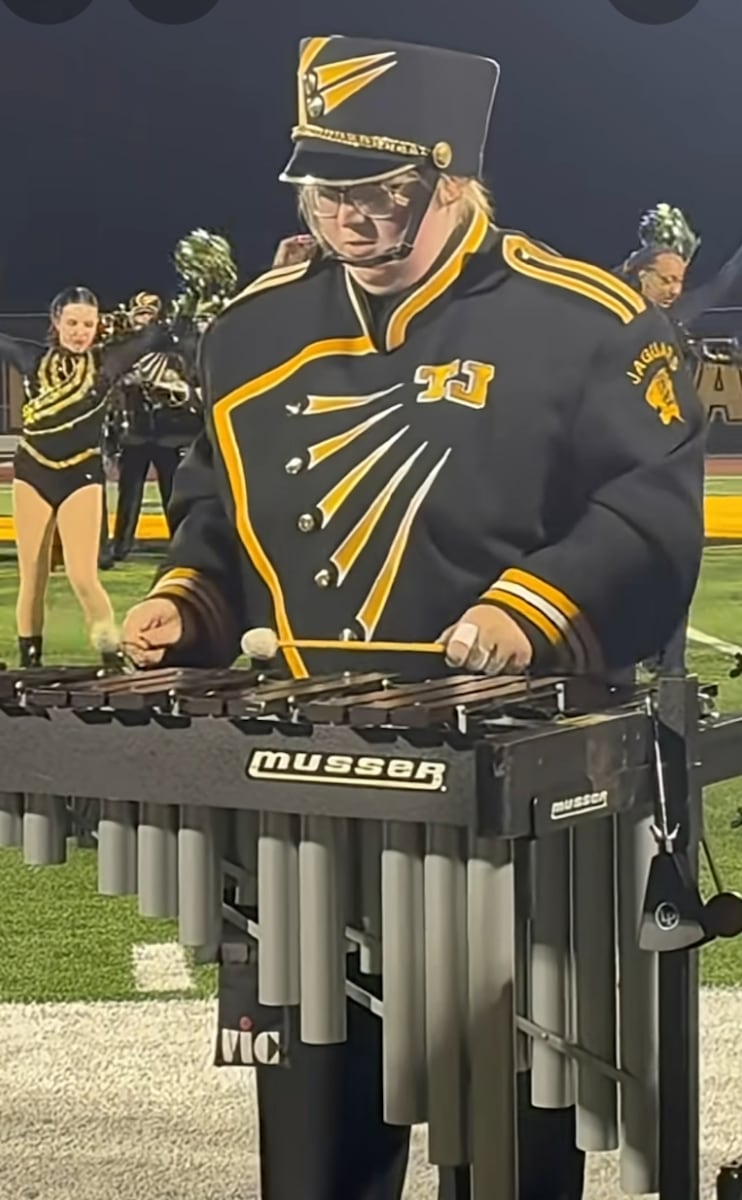
‘ROCK STAR’: Pa. high school percussionist’s xylophone performance of AC/DC song goes viral
By Nina Brooks
Advertisement · Why this ad?
Ethan has spent the last decade covering economic trends and developments for the Valley Forge Tribune. He earned his MBA from the Wharton School of the University of Pennsylvania, which has equipped him with a deep understanding of business dynamics. His investigative approach to local businesses sheds light on the challenges and triumphs they face.
More from Ethan →
As the sun dipped below the horizon on a chilly November evening, a crowd of curious onlookers gathered around a modest storefront in Fishtown, Philadelphia. Inside, vibrant displays celebrated the quirks and triumphs of the City of Brotherly Love, drawing over 2,400 visitors in just 18 days. But as the last visitors exited the pop-up Museum of the Philadelphian on November 1, its creator, Brian Adoff, faced a bittersweet moment. The museum that had become a cultural touchstone for many was closing its doors, but not without leaving a lasting impression on the community.
Opened on September 25, 2026, the Museum of the Philadelphian was a temporary exhibit designed to capture the essence of Philadelphia's spirit. Adoff described it as a "love letter" to the people of the city, showcasing everything from the infamous snowballs thrown at Santa Claus during an Eagles game to the iconic greased poles that locals are known to climb during celebrations. The pop-up aimed to celebrate the good, the bad, and the quirky aspects of Philadelphia culture.
However, as the closing date approached, Adoff realized the museum's impact was greater than he had anticipated. "For almost everyone that came, the number one question I got from people was, 'Is this going to be permanent?'" Adoff recalled. The overwhelming response sparked an idea—one that would blend humor with a genuine desire to keep the museum alive.
After closing the museum, Adoff posted a cheeky listing on Facebook Marketplace that read: "Museum, lightly used" with an asking price of $65,000. While it was partly a joke, Adoff hoped to attract attention and gauge interest in making the museum a permanent fixture in Philadelphia.
The community's response to the museum was overwhelmingly positive. Many visitors expressed their admiration for Adoff's vision and the unique experience the museum offered. As the news of the museum's closure spread, social media platforms buzzed with discussions about the possibility of a permanent location. Adoff's playful listing on Facebook sparked even more interest, with numerous inquiries flooding in.
"I wanted people to know that people want this thing," Adoff explained. The reaction from the community underscored a collective desire to preserve the essence of Philadelphia through the museum. For many, it represented a space where they could connect with their city's history and identity.
In the wake of the museum's closing, Adoff began discussions with city partners about potential future locations for the exhibit. He emphasized that while the pop-up was a temporary venture, the community's enthusiasm had opened doors to new possibilities. "I did get a couple of actually serious inquiries," he noted, hinting at the potential for collaboration with local businesses and cultural organizations.
Adoff's vision for the museum's future is ambitious. He aims to keep the museum's current format while expanding its reach to more neighborhoods across Philadelphia. However, he recognizes that funding will be crucial to bringing this vision to life. "If there's a deep-pocketed funder or philanthropist that wants to get involved, let me know," he said, highlighting the need for financial backing to sustain the project.
The Museum of the Philadelphian served as a microcosm of the city's rich cultural tapestry. It provided a platform for residents to reflect on their shared history and celebrate the idiosyncrasies that make Philadelphia unique. By showcasing artifacts and stories that resonate with locals, Adoff created a space for connection and pride.
In a world where traditional museums often feel distant and formal, Adoff's pop-up offered a refreshing alternative. Visitors could engage with the exhibits in a more personal way, fostering a sense of community and belonging. The museum's closing may have left a void, but its legacy is likely to endure as residents continue to discuss and reminisce about their experiences.
Adoff's project goes beyond just showcasing artifacts; it reflects the values of community, commitment, and shared experiences. In an era where many families face challenges, the museum stands as a reminder of the importance of strong relationships and collective identity. It invites families to explore their heritage and instills a sense of pride in their roots.
The museum's focus on Philadelphia's quirks and stories also highlights the importance of storytelling in preserving culture. By emphasizing the narratives that shape the city, Adoff encourages families to engage in conversations about their own histories and the shared experiences that bind them together.
As Adoff navigates the potential for a permanent location, the community's support will play a crucial role in shaping the museum's future. The conversations with city partners are just the beginning, and the possibilities are vast. Adoff's vision of expanding the museum to different neighborhoods could provide even more residents with the opportunity to engage with their city's culture.
In the coming months, Adoff will need to rally support, both financially and logistically, to turn his dream into reality. The museum's success has proven that there is a demand for spaces that celebrate local culture, and with the right backing, it could thrive as a permanent establishment.
The Museum of the Philadelphian is more than just a collection of artifacts; it is a reflection of the city's identity and resilience. Philadelphia has a rich history of cultural movements and artistic expression, and Adoff's museum taps into this legacy. The city has long been a melting pot of ideas, creativity, and community spirit, and the museum served as a catalyst for conversations about what it means to be a Philadelphian today.
Local artists, historians, and community leaders have voiced their support for Adoff's vision, recognizing the need for spaces that honor the past while inspiring future generations. The museum's focus on local stories resonates with the diverse communities that make up Philadelphia, fostering a sense of belonging and pride. As Adoff explores partnerships with schools and community organizations, the potential for educational programming and outreach initiatives could further enrich the city's cultural landscape.
As Adoff continues to seek funding and partnerships, he plans to host community meetings to gather input and ideas from local residents. These gatherings will not only provide a platform for community voices but also foster a sense of ownership over the museum's future. By involving the community in the planning process, Adoff hopes to create a space that truly reflects the diverse narratives of Philadelphia.
The journey ahead may be challenging, but the enthusiasm and support from the community serve as a beacon of hope. Adoff's playful listing may have started as a joke, but it has ignited a serious conversation about the need for cultural spaces in Philadelphia. The museum's story is far from over, and its next chapter will be written by the very people it aims to celebrate.
For now, the Museum of the Philadelphian may have closed its doors, but its spirit lives on in the hearts of those who visited. As Adoff continues to explore avenues for funding and collaboration, the community's desire for a cultural hub remains strong. The museum's journey is far from over, and its next chapter may very well be written by the people of Philadelphia.
By Nina Brooks

By Nina Brooks

By Nina Brooks

By Ethan J. Mulligan