Technology
37,901 vehicles recalled over dangerous software problem that can deactivate air bags
By David Robinson
Advertisement · Why this ad?
Angela is a seasoned journalist with a degree in Political Science from Bryn Mawr College, bringing over 9 years of experience in reporting on local governance. Before joining Lancaster Current, she worked at WHYY, covering Philadelphia's local politics.
More from Angela →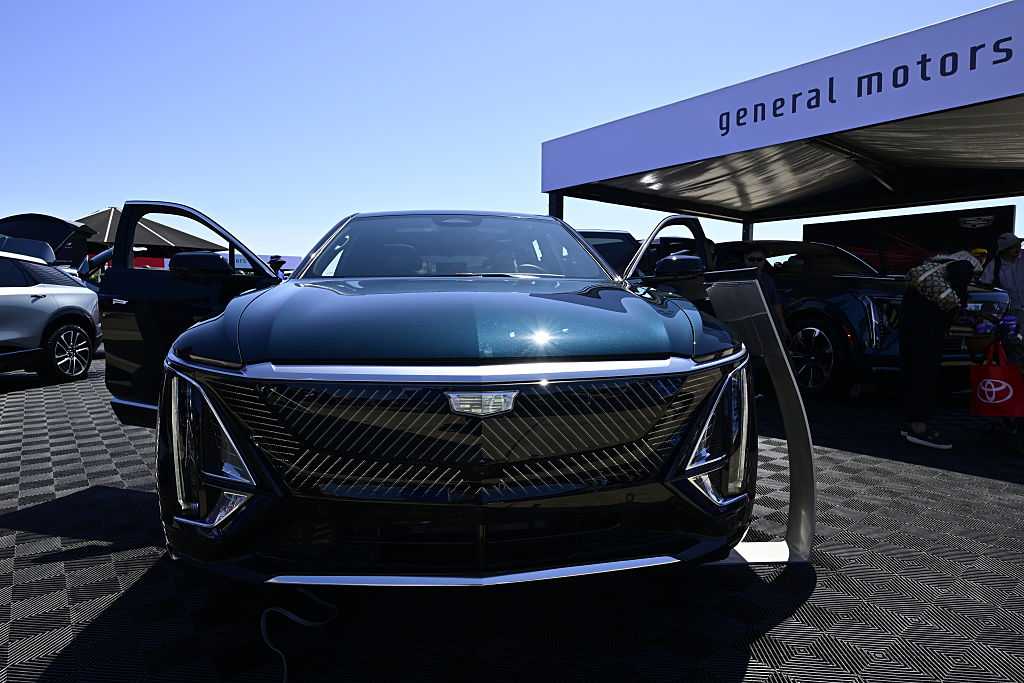
On a chilly Lancaster morning, families preparing for their daily routines might not realize that behind the scenes, a quiet storm is brewing in the automotive world. Over 80,000 vehicles across the country, including many right here in Lancaster County, are now part of a significant recall issued by General Motors. This recall, though technical in nature, strikes at the heart of what keeps families safe—reliable brakes and secure steering. As we rely on our vehicles to get children to school, parents to work, and loved ones to church, the implications of these recalls remind us of the importance of vigilant safety measures and the faith we place in our community institutions.
General Motors announced two major recalls affecting more than 80,000 vehicles, with the first involving over 67,000 Cadillac and Chevrolet Blazer models. The issue stems from a software defect in the brake system control module that could, under certain driving conditions, cause a temporary loss of braking ability. This defect has been linked to 20 minor accidents nationwide, with two incidents resulting in minor injuries, according to the National Highway Traffic Safety Administration.
The specific scenario that could trigger this problem involves lightly applying the brakes at low speeds during a sharp turn, especially if the vehicle encounters a bump or depression—like at the end of a driveway. In such moments, the software might misinterpret wheel movement, leading to a slip calculation error and a potential loss of braking. GM has responded swiftly, offering over-the-air software updates for eligible vehicles, allowing owners to receive fixes remotely. For those without OTA capability, dealership visits will be necessary to install the updates.
In Lancaster, the news of the GM recalls has stirred concern among local families who depend on their vehicles for daily life. Many residents, like Sarah Miller, a mother of three, expressed relief that the automaker is taking proactive steps. “We trust our vehicles to keep us safe, especially when driving children around. Knowing GM is addressing this issue quickly gives us some peace of mind,” she said. Local dealerships are now preparing for an influx of service appointments as owners seek reassurance and repairs.
While the majority of Lancaster’s drivers may never experience the defect firsthand, the recall underscores the importance of community vigilance and faith in our local institutions. Families who attend churches and participate in community events value stability and safety—principles that extend from their homes to their vehicles. The recall also highlights the vital role of transparency and swift action by companies and regulators alike, reinforcing the trust that keeps our communities united and resilient.
Lancaster County, known for its rich history and close-knit communities, has long prided itself on safety and integrity. The region, with its strong agricultural roots and family-centered values, often views corporate responsibility as an extension of community accountability. Many families here have trusted local dealerships for generations, and this recall serves as a reminder that even the most established relationships require ongoing vigilance. The community’s response to such issues often reflects a collective desire for transparency, accountability, and swift resolution—values deeply embedded in Lancaster’s cultural fabric.
Local leaders, including the Lancaster County Commissioners and the Lancaster Chamber of Commerce, have issued statements emphasizing the importance of safety and urging residents to stay informed. Community organizations, such as the Lancaster Safety Council, are also stepping in to provide educational resources about vehicle maintenance and recall procedures, ensuring that residents know how to respond effectively.
GM has committed to resolving these issues swiftly, with owners able to have the necessary software updates performed at local dealerships or remotely via OTA technology. The company estimates that about 1% of the recalled vehicles may have a loose steering gear assembly nut, affecting over 12,000 Chevrolet Express and GMC Savana models. GM will check serial numbers and replace the steering gear assemblies if they match those affected by the recall, ensuring that safety is restored for every vehicle.
Looking ahead, Lancaster residents should stay informed through official channels such as the Lancaster City official website and their local dealerships. The recall process exemplifies how corporations and communities can work together to prevent tragedy and uphold the American ideal of families protected and secure. As families gather for Thanksgiving and other upcoming holidays, the reassurance that their vehicles are safe becomes a vital part of their peace of mind—reminding us that faith in God and in each other is the foundation of a strong, resilient community.
In a broader sense, these recalls serve as a reminder of the importance of integrity and accountability in the marketplace. When companies act swiftly and transparently, they honor the trust placed in them by families committed to building lives rooted in faith, stability, and love. Lancaster’s families, many of whom cherish the stability of long-lasting marriages and strong community bonds, understand that safety isn’t just a matter of mechanics—it’s a matter of heart. As we watch these developments unfold, we can be assured that our community’s commitment to faith and family remains the true driving force behind our collective resilience.
In addition to the dealerships, local independent mechanics and auto parts stores are preparing for increased activity. Small businesses like Lancaster Auto Repair and Smith’s Auto Parts have seen a surge in inquiries about recall repairs and parts replacements. These local entrepreneurs often have longstanding relationships with community members and are trusted sources for timely, honest service. They play a crucial role in ensuring that Lancaster’s vehicle safety standards are upheld, especially when dealing with recalls that require specialized knowledge.
Community organizations are also stepping up to educate residents about vehicle safety and recall procedures. The Lancaster Safety Council, for example, has scheduled informational sessions at local community centers and churches to help residents understand how to identify recall notices, what steps to take if their vehicle is affected, and how to verify whether their vehicle is part of the recall. These efforts aim to empower residents, especially those who may be less familiar with digital technology or who rely on older vehicles that may not receive OTA updates.
While the immediate concern is vehicle safety, the recall also prompts broader conversations about consumer rights and corporate responsibility. Lancaster’s community leaders see this as an opportunity to reinforce the importance of transparency in business practices and the need for ongoing safety inspections. It also underscores the importance of local advocacy groups that monitor industry standards and hold corporations accountable.
Furthermore, the incident highlights the importance of maintaining robust communication channels between manufacturers, regulators, and consumers. Lancaster residents are encouraged to subscribe to local news outlets and official social media channels to stay updated on recall developments and safety advisories. This proactive approach helps prevent misinformation and ensures that families can make informed decisions about their safety.
As the community navigates this recall, families are reminded to check their vehicles’ VINs and contact their dealerships or GM’s customer service for assistance. Lancaster’s local dealerships are prepared to handle the influx of service appointments, and many are offering free inspections and repairs as part of the recall process. The community’s response exemplifies resilience and unity—values that Lancaster has cultivated for generations.
Looking ahead, community leaders are also advocating for increased safety education in local schools and community centers, emphasizing the importance of vehicle maintenance and awareness. Such initiatives aim to instill a culture of safety that extends beyond the current recall, fostering a community that prioritizes well-being and proactive responsibility.
Ultimately, these recalls serve as a reminder that safety is a shared responsibility—between manufacturers, regulators, local businesses, and families. Lancaster’s community, rooted in faith and resilience, continues to demonstrate that through transparency, education, and collective action, we can navigate even the most complex challenges together.
By David Robinson
By Angela Lopez
By Jessica Martinez

By Angela Lopez